Humidity and Condensation Mold in Park View, DC
Mold removed from windows, walls and closet surfaces in your Park View property, with condensation sources traced before cleanup. Call 24/7 to start your assessment and removal.
- Moisture source checked first
- Containment and HEPA cleaning
- Windows and walls assessed
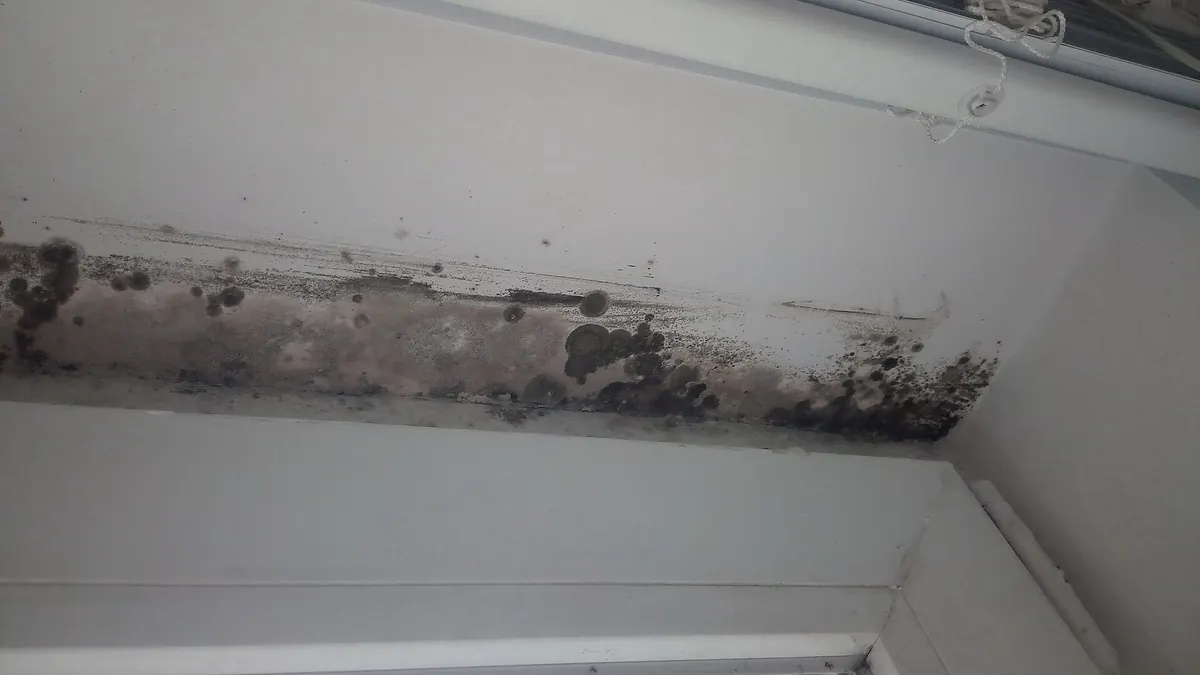
Mold Removal Services for Humidity and Condensation Mold in Park View
Mold cleanup addresses cold exterior walls, damp closets and your windows with their surrounding drywall. Cleaning or removal treats affected materials; replacement finishes wait until moisture sources have been assessed.
When a cold surface reaches the dew point or a lower temperature, contact with moist air produces condensation. Checks at your assessment tell this apart from leaking windows and air conditioner drain issues.
Your corners can stay damp where humidity is high, ventilation is poor and air movement is limited. A written work scope sets out structural drying and removal, plus separate repairs to insulation, windows or exhaust fans.
- Window sill and frame cleaning
- Cold wall and closet assessment
- Contained drywall removal
- Dehumidification and material drying
- Moisture control and final checks
When Your Park View Home Needs Humidity Mold Cleanup
Recurring mold, lasting condensation and damp finishes call for more than wiping your surfaces.
Condensation Mold Beside Cold Surfaces
Growth traces your cooling registers, chilled wall corners or moist edges around windows.
Damp Closet Corners
A musty smell or spotted backing appears behind stored items against an exterior wall.
Humidity Lingers After Showers
Your mirrors and walls stay wet, with visible mold growth near the ceiling or exhaust fan.
Swollen Trim and Peeling Paint
Softness around your window or bubbling on the wall finish appears where moisture accumulates.
Mold on Windows Keeps Returning
Dark spots reappear around your window sills or frames after cleaning.
The Humidity Mold Removal Process in Park View
Your assessment comes first, followed by cleanup within containment and closing checks.
Humidity and Material Assessment
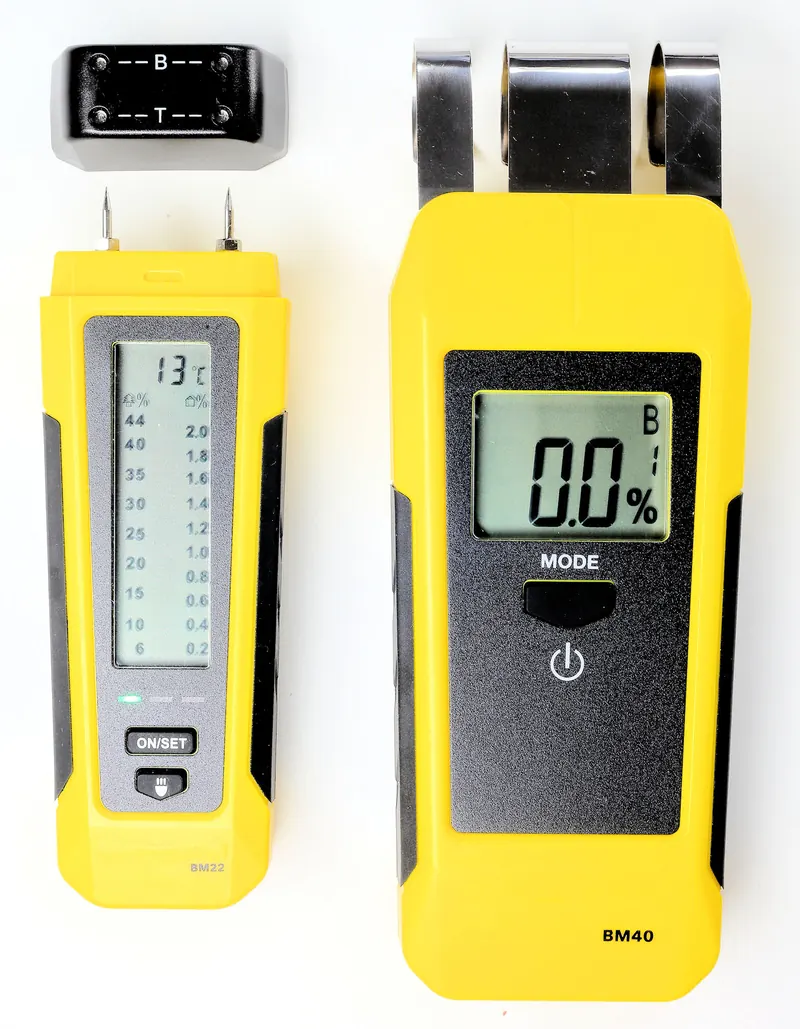
A hygrometer measures relative humidity, while a moisture meter supports moisture mapping of damp materials. A thermal imaging camera locates temperature patterns but cannot identify mold.
Humidity Source and Work Scope
Condensation, leaks and ventilation are assessed. Before removal starts, moisture corrections are specified along with separate leak repair.
Containment and Filtration
A containment barrier made with poly sheeting is installed where necessary. To reduce particle spread, protective equipment complements a HEPA air scrubber plus negative air pressure.
Damaged Material Removal
Swollen composite trim and unsalvageable drywall and insulation go into bags inside containment. Removal makes cleaning possible by exposing affected cavities and backing.
Frame and Wall Cleaning
Suitable cleaning of sound framing and non-porous surfaces includes damp wiping and cleaning with a HEPA vacuum. Antimicrobial treatment cannot substitute for taking away growth.
Controlled Drying Process
Appropriate drying equipment works with a dehumidifier to lower moisture levels in cleaned materials. Moisture readings track drying as the defined condensation corrections are completed.
Verification Before Reopening
Checks on drying and cleaning precede taking down containment. If clearance testing is required, post-remediation verification by an independent assessor precedes closing the area with replacement finishes.
Why Consider Washington Mold Removal Services for Humidity and Condensation Mold Removal
Contained Humidity Cleanup
HEPA filtration and containment suit both the removal work and the affected area.
Calls Answered 24/7
One number starts your window, wall or closet assessment across Greater Washington, including nights and weekends.
Humidity Source First
Cleaning begins after your assessment traces leaks, ventilation issues and condensation.
Removal Through Final Checks
Damaged material comes out and sound surfaces receive cleaning, with final checks ahead of containment removal.
Clear Scope Before Work
Your scope defines removal, drying and separate moisture repairs before work starts.
Humidity Mold Cleanup in District of Columbia: What to Do First
Leave affected surfaces undisturbed while your assessment is arranged.
- Keep people clear. Prevent children or pets from approaching affected materials.
- Leave finishes in place. Avoid sanding, dry-brushing or opening walls with mold.
- Avoid spreading particles. Keep fans pointed away from growth; do not operate HVAC equipment you suspect is contaminated.
- Leave mold uncovered. Before you paint or caulk over a growth-affected area, finish cleaning and drying.
- Limit fresh water damage. EPA advises drying water-damaged areas and items within 24 to 48 hours to prevent mold growth.
Your Park View, DC Humidity Mold Removal Cost
The affected area, repair needs and access set your price. These national figures cover general mold remediation plus separate crawl space equipment. Window work and dehumidifiers for rooms fall outside those ranges.
Typical National Mold Remediation Range
$1,500 to $9,000 per jobSource: Fixr, Mold Remediation Cost (checked 2026-10-23)Areas Over About 10 Square Feet: Professional Mold Remediation
$10 to $30 per square footSource: Fixr, Mold Remediation Cost (checked 2026-10-23)Dehumidifier Installation as Part of Crawl Space Encapsulation
$800 to $2,000 per installSource: This Old House, Crawl Space Encapsulation Cost (checked 2026-10-23)What Determines Humidity Cleanup Cost
- Access behind finishes
- Separate moisture repairs
- Affected square feet
- Drywall removal and disposal
- Structural drying needs
- Containment requirements
Condensation Cleanup Pricing for You
These published national ranges are planning figures. Your on-site assessment defines the work and price before cleanup starts, including any separate source repairs or rebuilding.
Call (844) 352-3560 about costHumidity and Condensation Mold Service Area Across Greater Washington
Call (844) 352-3560 to arrange cleanup in Park View or nearby communities. One number covers the metro.
Humidity and Condensation Mold in Locations Near Park View
ZIP codes
What People Ask About Humidity and Condensation Mold in Park View
Are condensation and ventilation problems fixed too?
The moisture source receives assessment during cleanup planning, when the required corrections are also defined. Window work, exhaust repairs or insulation changes belong to the job only if your scope lists them. Although dehumidification aids drying, existing growth on your surfaces and leak repairs require more than dehumidification.
During condensation mold cleanup, can you still live at home?
You may stay if the rooms in use remain apart from both containment and the debris removal route. Your room layout, shared ventilation and household needs determine access restrictions. Temporary relocation may become necessary if several bedrooms or essential areas are involved in work. Before cleaning or removal starts, these arrangements are settled.
What is the timeline for humidity mold cleanup in Park View?
Your schedule is set after the affected surfaces and moisture source are assessed. Work differs between cleaning accessible window frames and opening damp walls or taking insulation out. Drying follows material readings. Timing for normal use of your rooms also reflects window repairs, corrected ventilation and the final checks.
What is your humidity mold cleanup cost in District of Columbia?
Your cost reflects drying, material removal, affected square footage and access to areas behind finishes. Published ranges appear in the cost cards alongside units and source names. The crawl space equipment figure is not a room dehumidifier price. Assessment sets your cleanup cost and defines any separate repair work before the job begins.
Do your windows or walls have to come out?
You can often keep the whole window by cleaning sound glass, vinyl and accessible wood. Moldy drywall, damaged insulation or deteriorated trim may need removal. Your assessment examines nearby materials and checks for potential water entry. Your scope must include window replacement for that work to count as part of cleanup rather than separate repairs.
Is air sampling needed before or after removal?
Visible mold generally makes sampling unnecessary, according to EPA. Inspection and checks for moisture identify your affected area and the probable source. After removal, checks confirm drying and cleaning. If clearance testing is called for, an independent assessor undertakes the testing. Federal rules set no limit on indoor mold levels.
Will mold from condensation come back after cleanup?
Mold can return if the moisture problem remains. Assessment during your cleanup covers cold surfaces, ventilation and indoor humidity; necessary corrections are planned alongside removal. Affected materials are cleaned and dried before finishes close them in. Maintaining humidity control helps you prevent a repeat of the damp conditions.
Humidity Mold Cleanup and Insurance in District of Columbia
Coverage under your homeowners insurance depends on what caused the moisture and on exclusions, the deductible and limits for mold. Decisions may differ between recurring condensation and an accidental water event that happens suddenly.
Humidity Mold Precautions for Greater Washington
Containment and HEPA filtration limit particle spread while affected surfaces are disturbed.
Humidity Cleanup Dust
Disturbed mold spores and debris require controlled removal routes.
Sensitive Occupants
CDC notes that allergy and asthma symptoms can be triggered by mold in some people.
Mold Color
Mold color reveals nothing about how risky the mold is, CDC says.
Hidden Humidity Damage
Your insulation and drywall backs may remain damp even when room air is dry.
Cleanup scope: Homeowners can often clean areas under about 10 square feet, according to EPA. Get professional help with mold from sewage or contaminated water, with larger areas, or with HVAC systems.
Removal of Humidity-Damaged Materials in District of Columbia
Material condition and access determine what is cleaned and what needs removal.
Glass and frames
- Glass, sound vinyl and metal receive cleaning and drying wherever accessible.
Wood and trim
- Sound wood can be cleaned; deteriorated wood and swollen composite trim need replacement assessment.
Porous materials
- Removal may be necessary for moldy insulation, drywall or ceiling tiles, as well as affected carpet.
Time Needed for Humidity Cleanup in District of Columbia
Drying and condensation repair needs, plus access, set your timetable.
- Access: Opening up around windows or inside walls increases the removal and cleaning work.
- Drying: Readings taken from materials determine when rebuilding can start; humidity in the room is not enough.
- Repairs: Window, insulation or ventilation corrections may require a separate trade and visit.
Musty Odors and Humidity in District of Columbia
Musty odors are investigated around windows, closets and damp cavities. Smell alone does not locate the source.
Your cleanup addresses dampness and takes out affected material. Fragrance cannot fix moisture problems; existing mold remains even if you use a dehumidifier.
Work Requirements and Humidity Control in District of Columbia
Humidity Cleanup Requirements
The District licenses mold assessors and mold remediators through the Department of Energy and Environment (DOEE). For rental housing, mold covering 10 square feet or more calls for a professional holding a DOEE license, and smaller areas can follow DOEE guidelines.
EPA Humidity Targets
For indoor humidity, aim below 60 percent; EPA identifies 30 to 50 percent humidity as ideal.
Cold Surface Conditions
A target humidity reading for your room does not prove all windows and walls remain dry.
State Mold Information
DOEE licenses mold professionals and keeps a public list of mold assessors and remediators who hold a DOEE license. Questions can go to DOEE at (202) 535-2600.
State guidance: DOEE: Mold Information for Tenants; DOEE: Mold Information for Home Owners; DOEE: Mold Requirements and Standards for Mold Professionals; DC Code Title 8 Chapter 2B, Indoor Mold Assessment and Remediation
Related Services and Next Steps
Start Your Humidity and Condensation Mold in Park View
Call 24/7 to arrange your assessment. Your cleanup starts with the affected surfaces, moisture source and access to your home.